Co-founder
Mira Halvorsen
Opened the studio in 2017. Teaches most of the 6:15am vinyasa classes and still meets every new teacher before they join the roster.
The first studio was a former upholstery workshop with the heating on a timer and a door that stuck in summer. We took it for six months to see whether anyone would come. Within eleven weeks the evening classes were full, so we took the lease for three years and paid for a new front door.
Nobody at the time was running a small-format vinyasa studio in Cremorne. The nearby options were big gyms with yoga timetabled alongside spin and pilates, or a hot yoga chain that ran forty people to a class. We wanted something in the middle: proper teaching, small numbers, no hard sell at the front desk.
Not a values page with decorative words on it. These are the guiding principles that decide what gets taught, how big classes run and who gets hired.
Our teachers explain and adjust. They are not on the mat demonstrating what their own body can do. If you leave a class without understanding something you did not arrive understanding, we have wasted your hour.
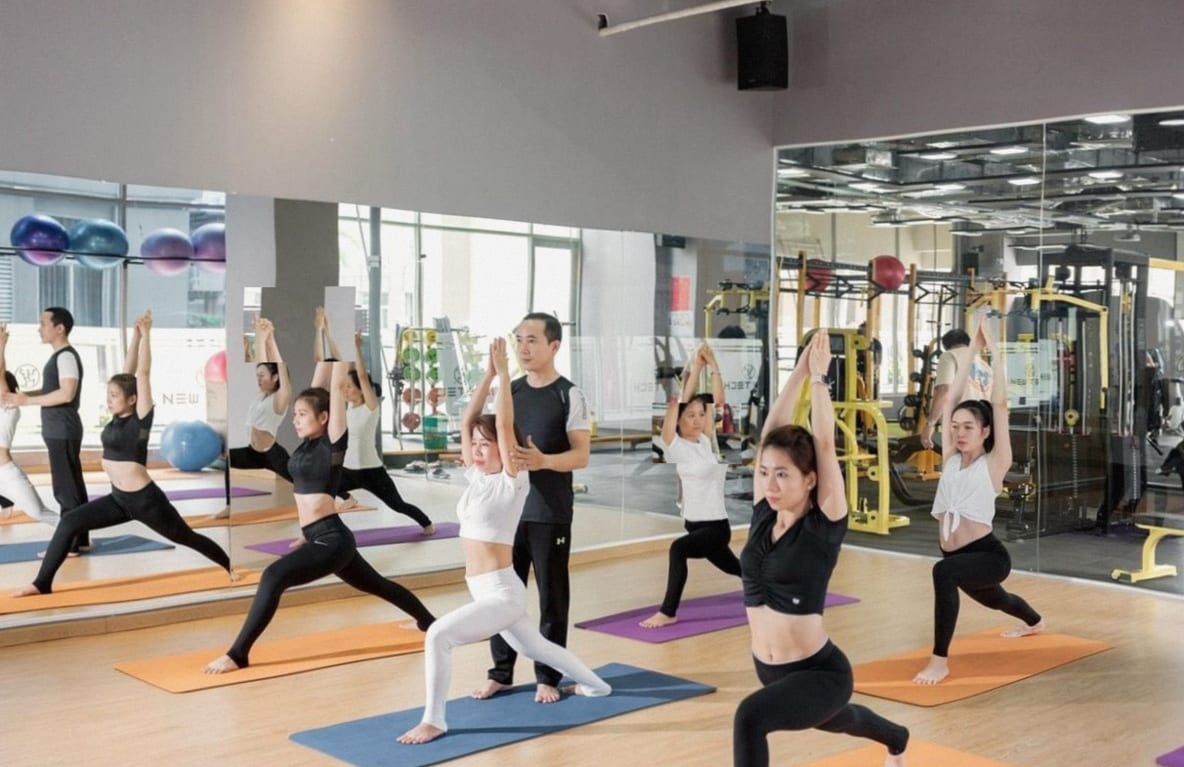
Fourteen mats is a hard ceiling. That number was chosen because it is the most people one teacher can genuinely observe, from the front row to the back corner, over a sixty minute class.
We run the same sequences with the same cues for weeks at a time. Familiarity is how bodies learn. Nobody here is trying to surprise you with a new shape every Wednesday.
No joining fee, no contract, no cancellation call you have to sit through. Memberships pause for six weeks a year on request and cancel any time before your next payment date.
The studio opens as a single rented room on Cremorne Street. Twenty-three students in the first month, all through word of mouth.
We take on the adjacent unit and open the middle room. The yin timetable starts on Mondays and Wednesdays with one teacher running both sessions.
Showers and change cubicles get built after eighteen months of people changing in the hallway. The towel service starts the same week.
The third room opens for small-group sessions and workshops. We start the six-week review chat for every new member and it becomes the pattern everyone now expects.
Teacher training partnership with a Melbourne-based school begins. Two of our own teachers start mentoring new instructors from the studio floor.
Forty-two classes a week, nine teachers, three rooms and a membership base that fills the timetable without ever going over fourteen mats.
Every teacher on staff holds a minimum 500-hour certification and has been practising for at least a decade. Four of them are also trained in rehab or physiotherapy-adjacent work, which matters more than people realise until they need it.
Opened the studio in 2017. Teaches most of the 6:15am vinyasa classes and still meets every new teacher before they join the roster.
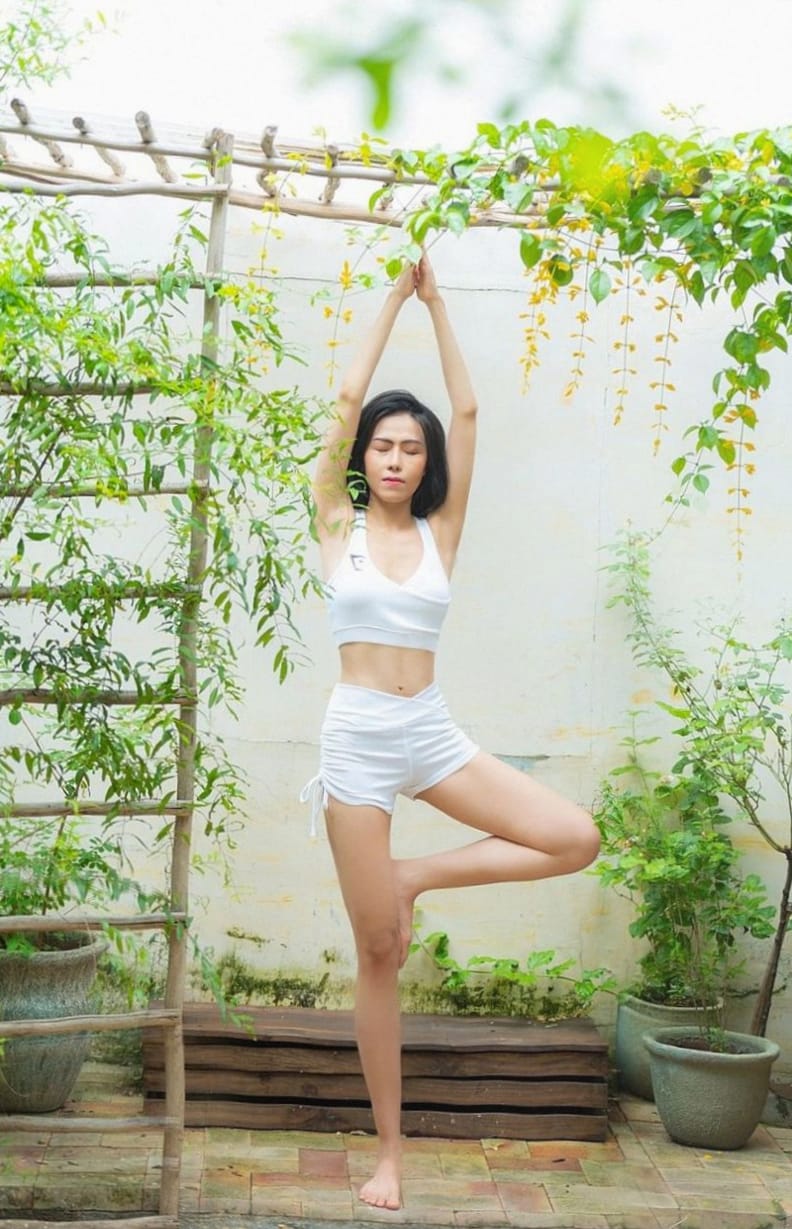
Runs the Tuesday lunchtime and Sunday morning slots. Former physiotherapy assistant, so expect careful instructions for anything weight-bearing.
Leads the evening yin timetable. Trained in India and in Melbourne, specialises in slow practice and guided breathing for people who cannot switch off.
Handles the rosters, member enquiries and most of the six-week review chats. Teaches two vinyasa classes a week on Thursday and Friday mornings.
We do not run a menu of ten class types. Both formats are taught by people who have spent years on them, and both keep to the fourteen-mat ceiling.
Most booked
Sixty and seventy-five minute sessions built around the breath. Standing sequences, transitions slowed down, and teachers who will actually tell you when your shoulders are not doing what you think they are.
Evenings
Six or seven shapes held for three to five minutes each on the floor. The class people book when their lower back has been grumbling for months or when sleep has stopped arriving on time.
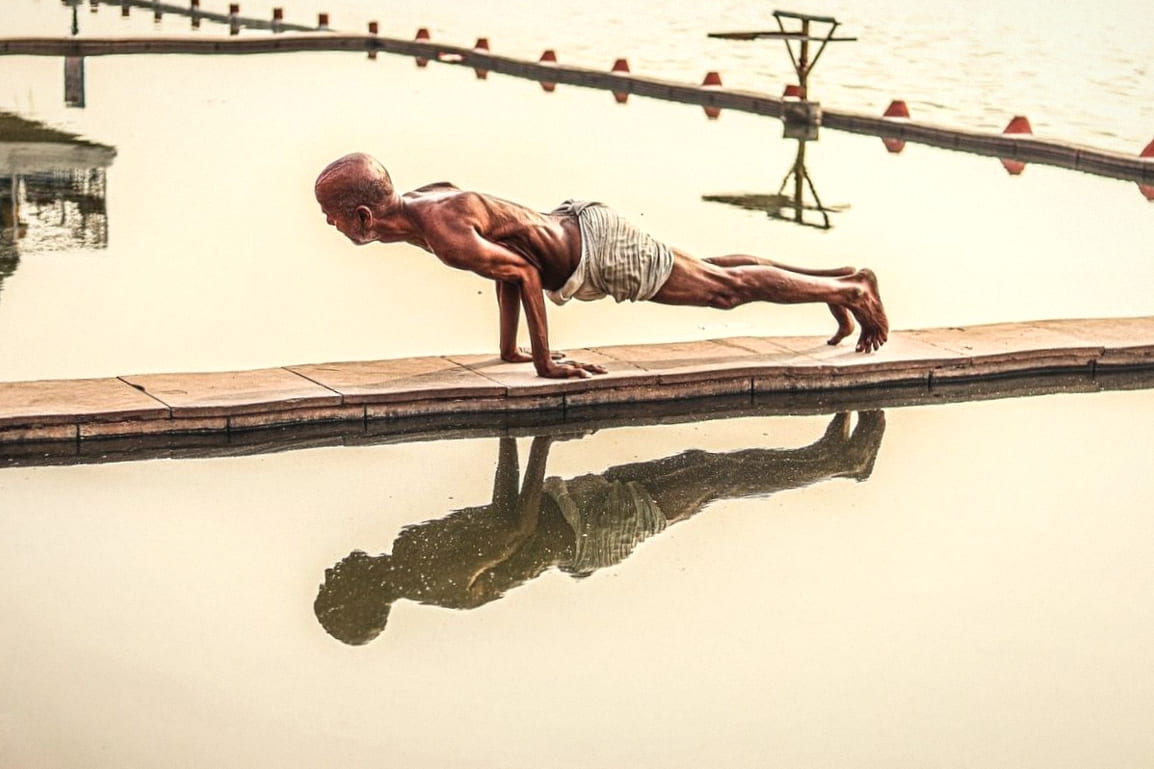
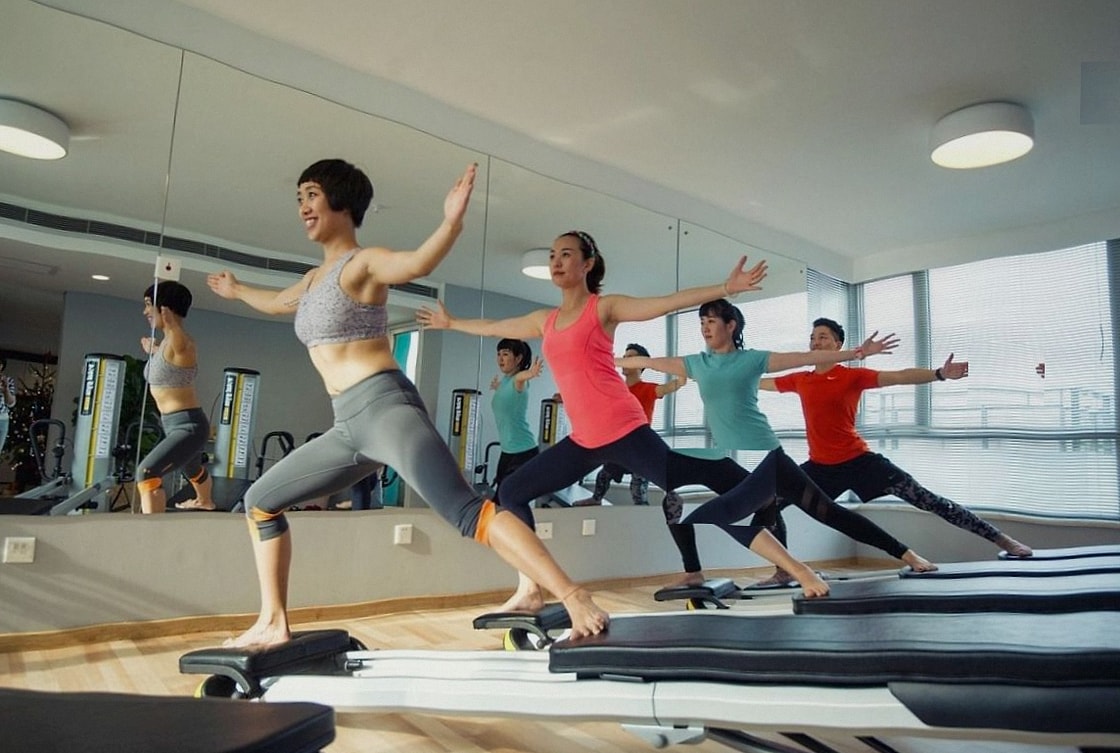
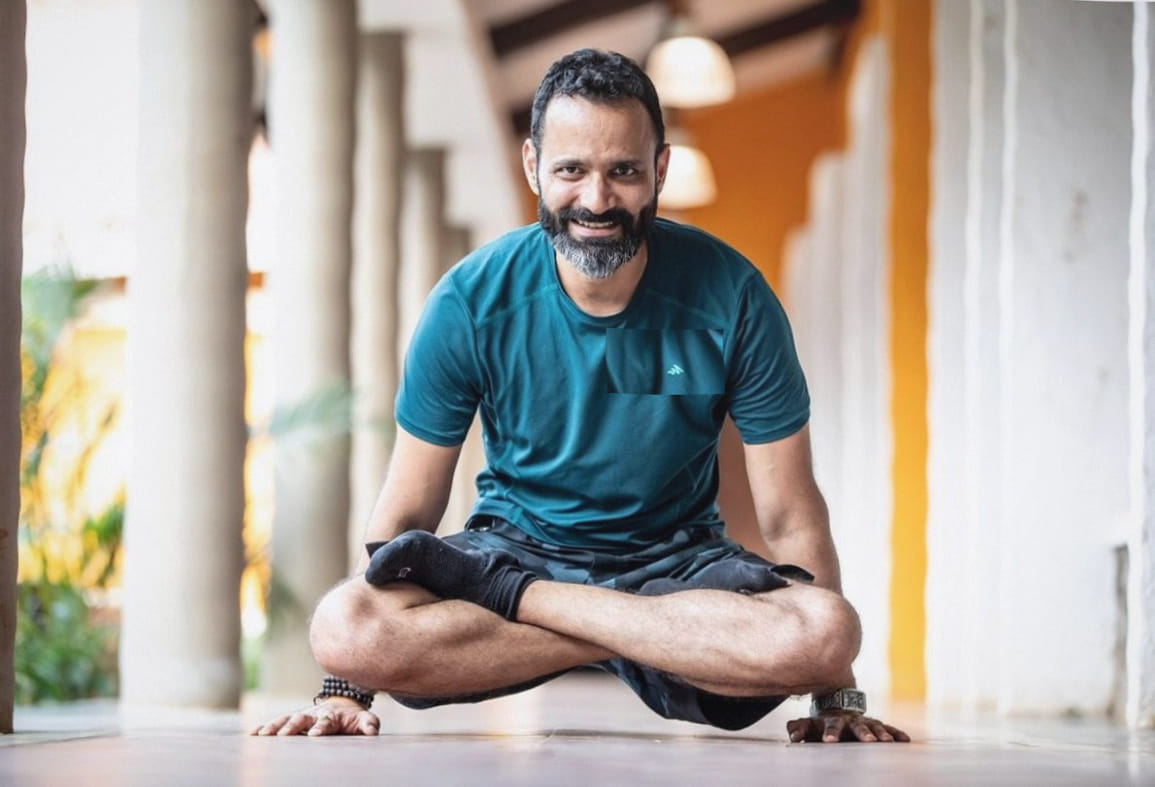
Nine years of studios around Melbourne and this is the only one where the teacher has corrected my left shoulder without me asking. That alone is worth the membership.
The six-week chat they do with every new member was the reason I stayed. Somebody actually asked whether the studio was still working for me. Nobody had ever done that.
I came for the yin classes after knee surgery. Priya adjusted every session for four months without me having to ask twice. That level of attention is unusual.
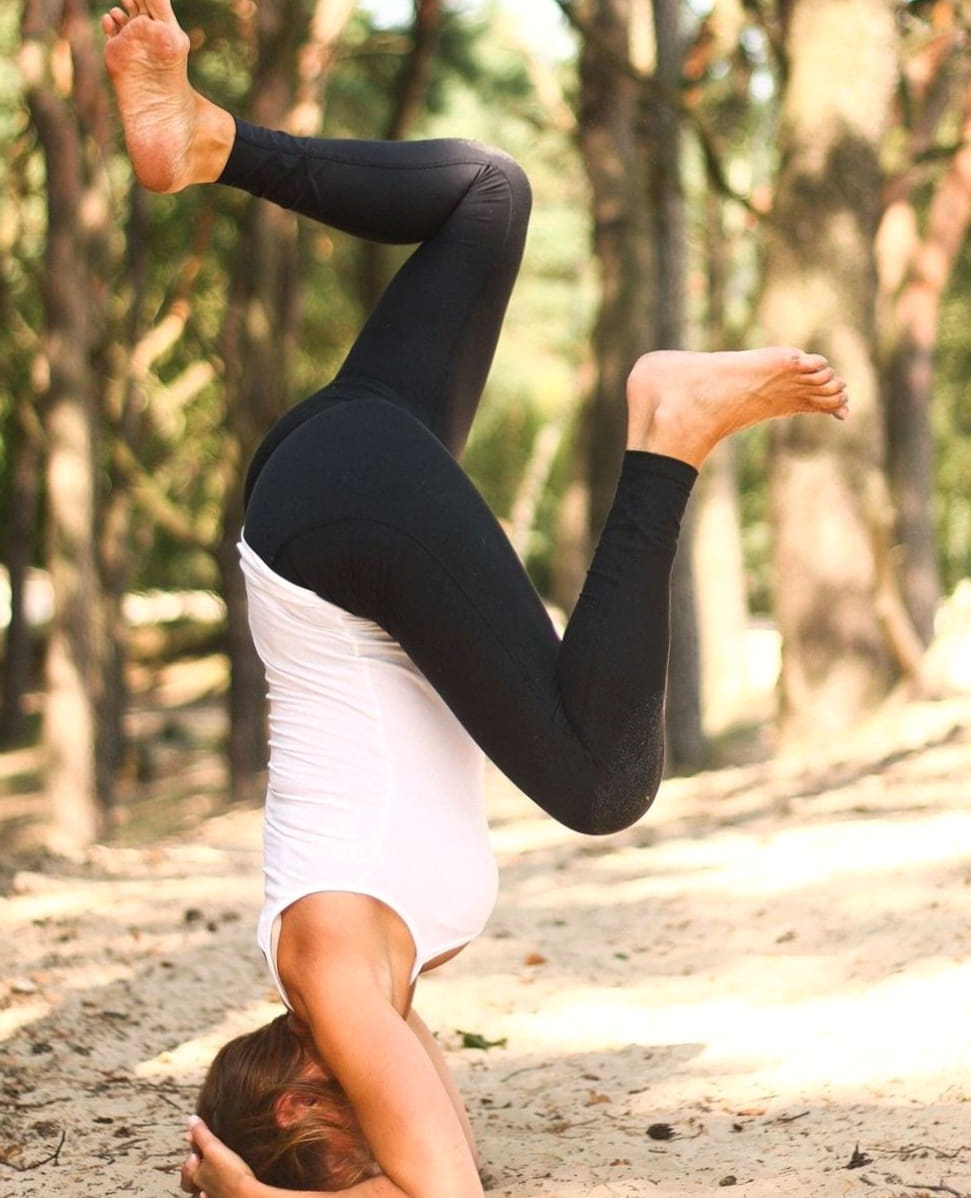
Every year we get asked the same question during peak months: could you not just add a few more mats and run fewer classes? The answer is no, and the reasoning has not changed since 2017.
Book any session in your first week and we will sort out the pricing questions afterwards. No pitch, no clipboard, no follow-up phone calls.